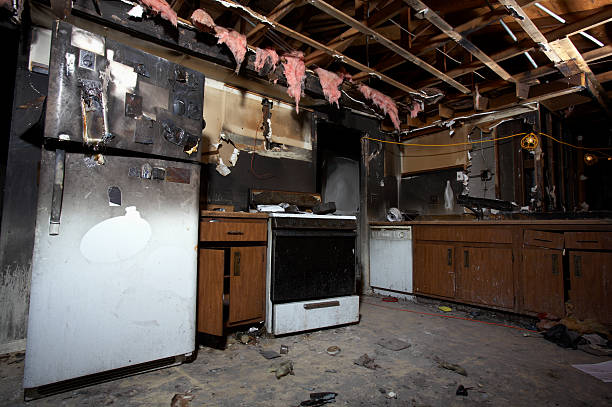
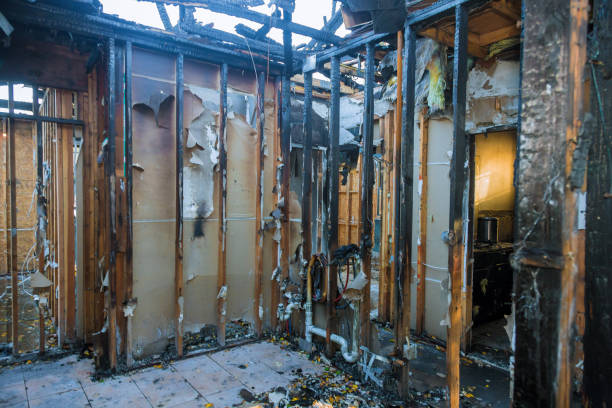
Using the wrong cleaning agent on the wrong residue type can set stains deeper into a Long Neck, DE property's surfaces, which is why our technicians test before choosing a method.
📞 Call +1-866-484-1409 Now
Protein, synthetic, wet, or dry — we identify the type before touching a surface.
Dry-chemical sponges for porous drywall, solvent cleaners for synthetic film.
Full coverage on every Smoke Damage Removal job we take on.
Local crews staged near Long Neck for same-day response.

Nearly invisible film from kitchen and grease fires, broken down with enzyme-based cleaners.
This residue spreads fast across smooth surfaces, so we prioritize those first.
A solvent pass followed by a dry-sponge pass usually clears this type fully.
Powdery residue from a fast, hot fire, lifted with dry-chemical sponges rather than solvents.
We test and treat vents as part of the same visit, not a separate call.
Wiping upholstery just moves residue around instead of removing it.
A technician answers and dispatches the nearest available crew.
Crews arrive with residue-testing kits and cleaning agents for all four types.
You approve the plan before any surface gets treated.
Cleaning proceeds surface by surface, confirmed at a final inspection.
"Turns out what we had was protein residue — once they used the right treatment, the smell finally cleared." — Homeowner, Long Neck
"We'd already paid one company that couldn't get the synthetic residue off — Meridian Smoke Damage's method finally did." — Landlord, Long Neck
"Learning that residue type actually changes the cleaning method was new to us, but it made sense once explained." — Homeowner, Long Neck, DE
Protein residue is nearly invisible but pungent; synthetic residue is visible and sticky.
Regular cleaning products can smear or set certain residue types deeper.
A small test area tells us which cleaning method will actually work.
Removing visible residue doesn't always eliminate lingering smell on its own.
Usually within the hour, with crews staged locally near Long Neck.
We keep response times short across Long Neck with agents staged for all four residue categories.